When Should You See An Ophthalmologist For Vision Issues And Eye Wellness Problems?
Author-Weeks Ebsen If you're experiencing vision concerns or pain, it's essential to understand when to speak with an ophthalmologist. Abrupt changes in your vision, relentless blurriness, or even flashes of light can signify underlying troubles. You could sweep aside small signs, however neglecting them can lead to major complications. Want to comprehend the trick signs that call for a visit and the actions to take previously your consultation?
Trick Signs And Symptoms Indicating You Need To See an Ophthalmologist
When you notice changes in your vision, it's critical to take note, as these can signify underlying problems that require an ophthalmologist's proficiency. Unexpected vision loss, whether in one or both eyes, is a major problem that demands immediate interest. If you experience persistent blurred vision or problem focusing, it's time to speak with an expert. In addition, signs and symptoms like flashes of light or floaters can indicate problems that require examination. If you find yourself fighting with eye pressure or discomfort, don't neglect those indications. Frequent frustrations or scrunching up your eyes can likewise suggest your eyes require an examination. Eventually, trusting your instincts about your vision can cause timely treatment and much better eye health. Do not be reluctant to seek help when something feels off.
Eye Issues That Call for an Eye doctor's Focus
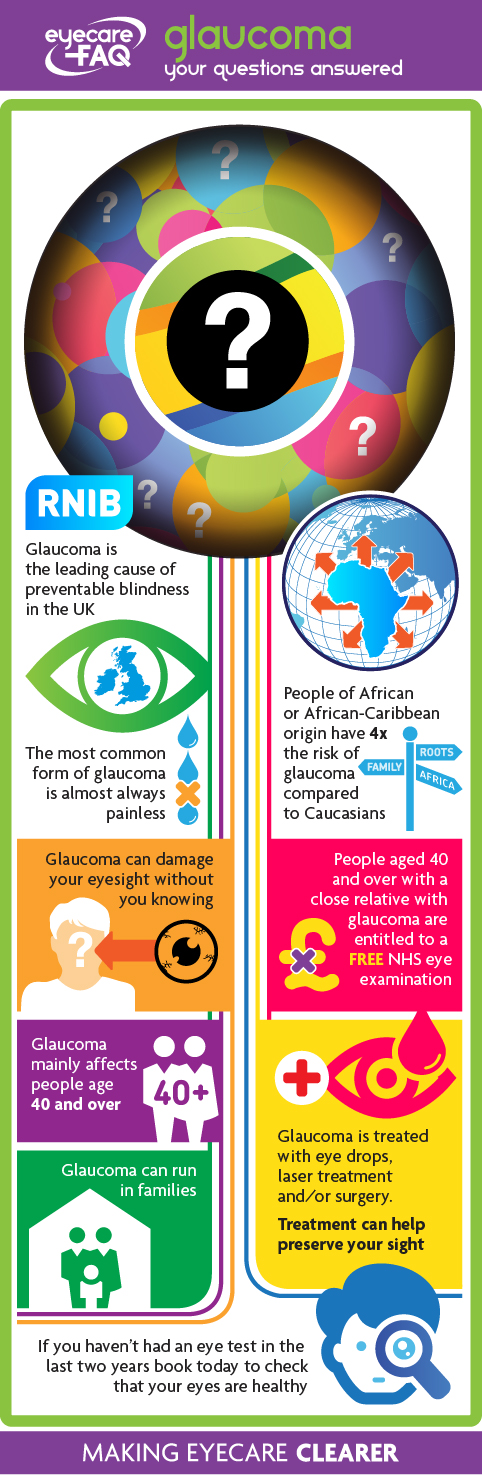
Specific eye conditions require punctual attention from an eye doctor to stop severe issues. If you experience sudden vision loss, it's important to look for assistance quickly. Eye injuries, whether from trauma or international objects, also require speedy analysis to avoid long-term damages. https://www.businesswire.com/news/home/20210310005081/en/Price-Vision-Group-Participating-in-Clinical-Study-of-Investigational-Growth-Factor-Treatment-for-Eye-Disorder-Fuchs-Endothelial-Corneal-Dystrophy , soreness, or swelling can indicate infections or problems like uveitis that require timely treatment. If you see flashes of light, advances, or changes in your peripheral vision, these symptoms might suggest retinal detachment or various other serious issues. In addition, if you have a family members history of eye diseases like glaucoma or macular deterioration, routine check-ups come to be crucial. Don't think twice to get in touch with an ophthalmologist when these problems occur; early treatment can make a substantial difference.
Just how to Prepare for Your Ophthalmologist Visit
Experiencing eye issues might lead you to look for an ophthalmologist, and recognizing exactly how to prepare for your consultation can improve your experience. Begin by collecting your case history, consisting of any kind of medicines you take and previous eye concerns. List your signs and symptoms, noting when they started and how they've transformed. Bring a listing of questions you intend to ask; this will aid you remember essential factors throughout your visit. If you wear glasses or get in touches with, bring them along. Show up a bit very early to complete any type of needed paperwork and allow time for any type of initial tests. Ultimately, think about having a pal or relative accompany you for assistance and to assist remember the doctor's suggestions.
Final thought
In summary, if you're experiencing abrupt vision loss, persistent blurriness, or any kind of worrying signs and symptoms like eye stress or pain, don't hesitate to see an ophthalmologist. Normal examinations are critical, particularly if you have a family history of eye diseases. Taking aggressive steps now can safeguard your eye health and protect against significant concerns down the line. Bear in mind, your vision is precious, and early treatment is key to maintaining it for many years to find.